
Why Website Structure Matters More Than Design (And Why You Need Both)
There’s a point in every website project where the focus shifts.
It usually goes straight to design.
Colours. Layouts. Fonts. “Make it look good.”
And that’s fair enough. Nobody wants an ugly website.
But here’s the problem.
If you start with design before you’ve worked out what actually needs to be on the page, you’re building on guesswork.
And that’s where most websites quietly fall down.
Not because they look bad.
Because they don’t guide anyone to do anything.
The Bit Most People Skip
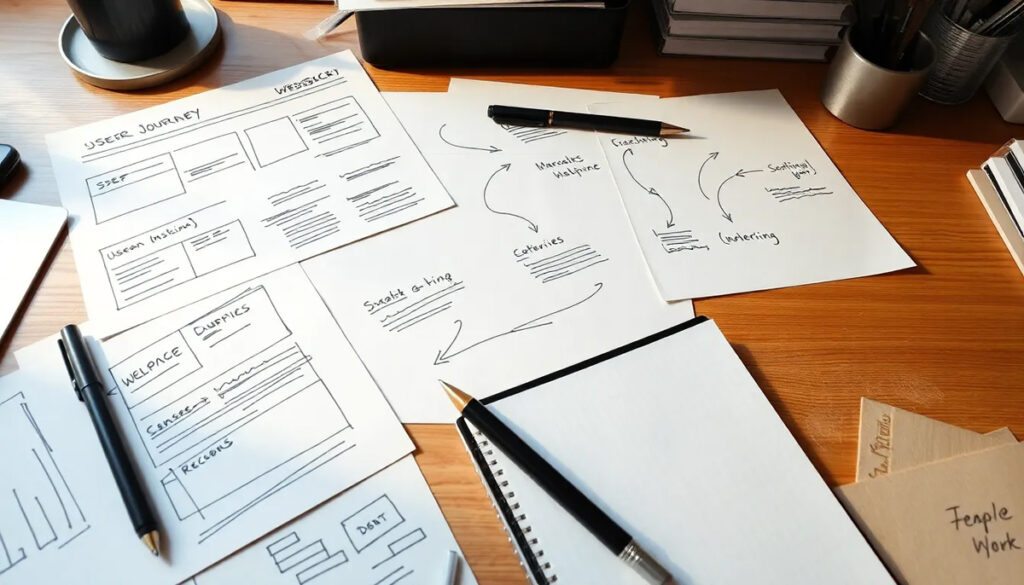
When you’re building a new site, the real work isn’t visual.
It’s structural.
It’s deciding, page by page:
- What does this page need to achieve?
- What does someone need to see first?
- What questions do they have when they land here?
- What do they need to feel before they take the next step?
That’s the thinking that shapes everything else.
Without it, you end up with:
- nice-looking pages that don’t say much
- sections that exist because they “should be there”
- calls to action that feel forced or out of place
It all looks fine.
But it doesn’t do anything.

Every Page Has a Job
This is the simplest way to look at it.
Every page on your site has a job.
Your homepage isn’t there to “look good”.
It’s there to:
- confirm someone is in the right place
- explain what you do, quickly
- guide them to the next step
Your service pages aren’t there to fill space.
They’re there to:
- answer specific questions
- build confidence
- remove doubt
- move someone closer to action
Your contact page isn’t just a form.
It’s the final step where someone decides whether to follow through.
If those roles aren’t clear, the structure breaks down.
And once the structure breaks down, no amount of design fixes it.
What Actually Needs to Be on the Page
This is where experience comes in.
Because it’s not about cramming more in.
It’s about placing the right elements, in the right order.
Things like:
- a clear opening that says “you’re in the right place”
- simple explanations of what you do and who it’s for
- proof that you’ve done this before (without overdoing it)
- reassurance at the points where people hesitate
- a natural next step that doesn’t feel forced
None of this is complicated.
But getting the order right is everything.
Put the wrong thing too early, and it confuses people.
Put the right thing too late, and they’ve already gone.
Where Design Comes In
This is where people often get it wrong.
They hear “structure matters more than design” and think design doesn’t matter.
It does.
A lot.
Good design:
- makes things easier to read
- makes things easier to understand
- helps guide the eye
- adds confidence and credibility
Bad design does the opposite.
But design works best when it’s supporting something solid.
Not trying to carry it.
If the structure is right, good design amplifies it.
If the structure is wrong, even great design struggles.
The Combination That Actually Works
This is the bit that makes the difference.
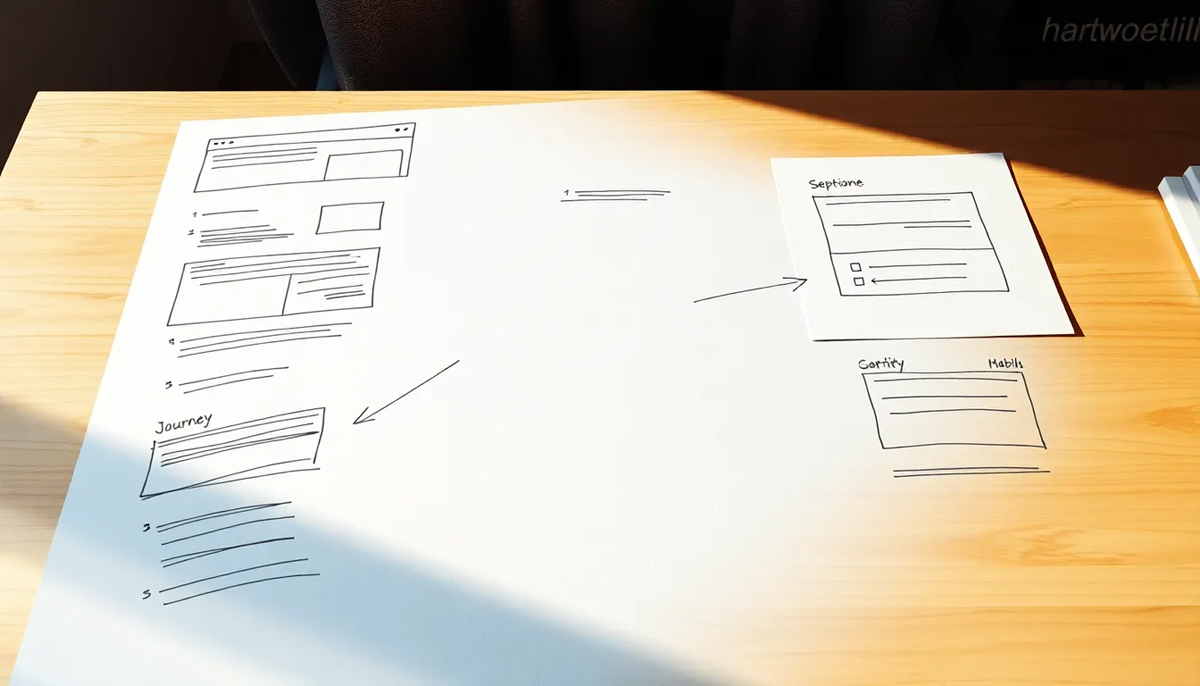
Structure first.
Design second.
Not because design is less important.
Because design needs something to work with.
When you get both right, you end up with:
- pages that feel clear, not cluttered
- messaging that lands quickly
- a natural flow from interest to action
- fewer people dropping off halfway through
That’s when a website starts doing its job properly.
Why This Matters More Than Ever
It’s never been easier to build a website.
AI tools, templates, page builders, Shopify, WordPress… you can have something live in no time.
But that’s also why this matters more.
Because most of those sites are built the same way:
- design first
- structure as an afterthought
- conversion left to chance
Which is why so many of them look decent…
…but don’t generate much.
The difference now isn’t who can build a site.
It’s who understands how people actually use one.
Getting It Right From the Start
The easiest time to fix this is at the beginning.
Before anything is designed.
Before anything is built.
That’s when you can step back and ask:
- what does this page need to do?
- what needs to be here for that to happen?
- what order does it need to be in?
Once that’s clear, everything else becomes easier.
Design decisions become simpler.
Build becomes cleaner.
And the end result actually works.

The Reality Most People Learn Too Late
A lot of websites get this wrong.
Not because people don’t care.
Because it’s not obvious.
You only really see it when:
- enquiries don’t come in
- people don’t stay on the page
- something feels off, but you can’t quite place it
By then, you’re trying to fix it after the fact.
Which is always harder.
Final Thought
A good-looking website is easy to create now.
A website that actually works still isn’t.
The difference comes down to:
- what’s on the page
- where it sits
- how it flows
Get that right, then layer strong design on top.
That’s the combination that turns a website into something that actually does its job.
For practical support with this, see my WordPress web design or related guidance on conversion rate optimisation.